Solana has always been a step ahead when it comes to scaling blockchain for real-world use. But 2025 is shaping up to be the year Solana’s DePIN (Decentralized Physical Infrastructure Networks) and AI projects break into the mainstream, driving a new wave of web3 adoption. With the total market value of Solana DePIN projects soaring past $3.25 billion this spring, it’s clear: this ecosystem isn’t just about speed and low fees anymore—it’s about building the backbone of tomorrow’s decentralized internet.
The Rise of DePIN & AI on Solana
Let’s get specific: While the broader crypto world is still debating “the next big thing,” Solana is already shipping it. The convergence of AI and DePIN infrastructure is transforming how we interact with physical resources—think wireless coverage, data storage, real-world sensors, and even sustainable energy. What makes Solana unique? Its lightning-fast finality and low-latency design are tailor-made for real-time applications that actually need to work outside a testnet.
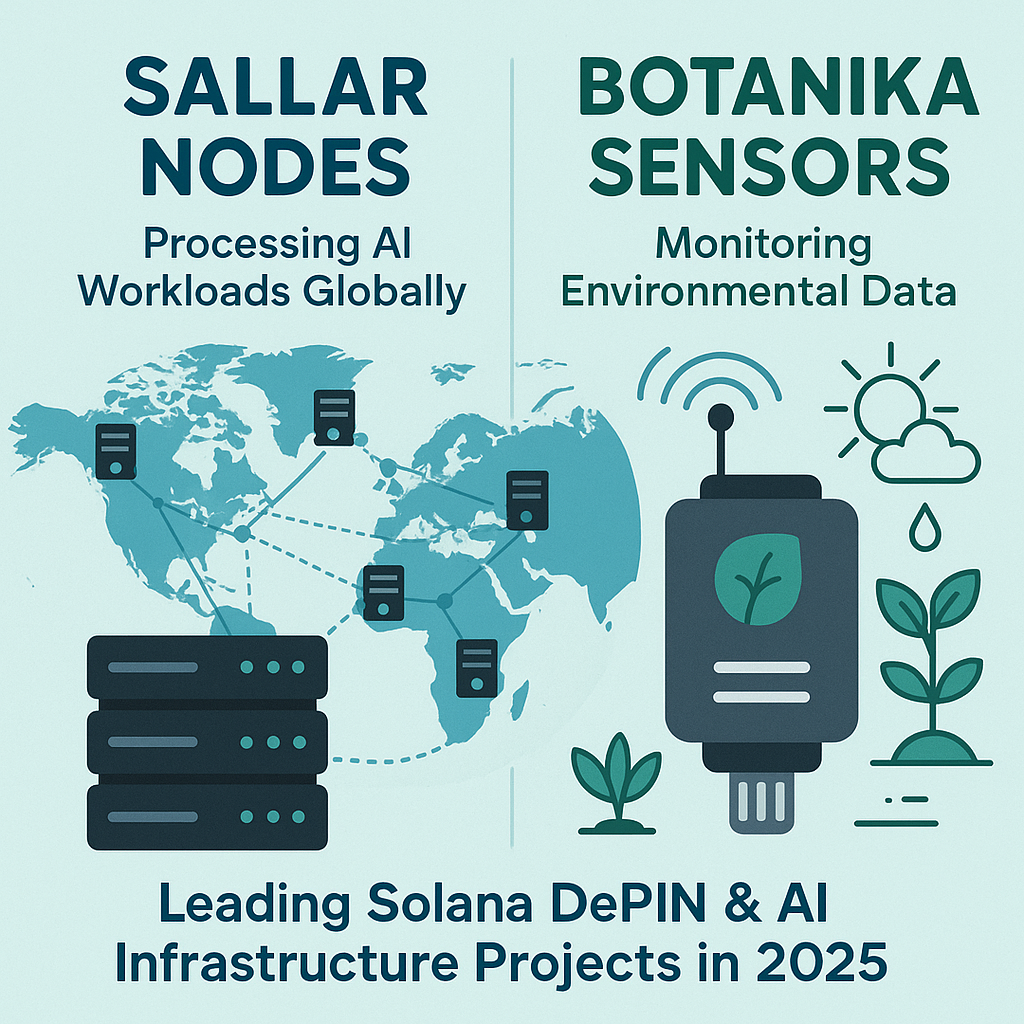
This year, two projects stand out as the most relevant examples of this revolution: Sallar and Botanika. Both are not only leveraging Solana’s technical prowess but also pushing decentralized infrastructure into uncharted territory.
Sallar: Decentralized Compute Power for AI Workloads
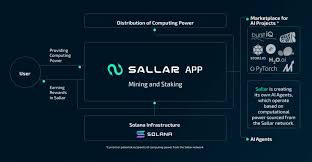
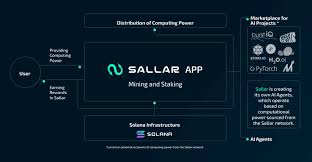
Sallar is quickly becoming synonymous with “decentralized supercomputing” on Solana. In an era where AI models are eating up more GPU cycles than ever before, Sallar flips the script by creating a permissionless marketplace for compute resources. Instead of relying on centralized cloud giants, developers and enterprises can now tap into a global network of independent node operators—paying in crypto, earning in crypto.
- Real-World Impact: Sallar enables everything from AI-driven analytics to machine learning inference at scale—without vendor lock-in or data silos.
- Token Incentives: Node operators earn $SALLAR tokens for providing reliable compute power, while users pay per task with transparent pricing.
- Solana Advantage: Ultra-fast settlement means workloads are assigned and completed in seconds—not minutes or hours.
The result? A truly open infrastructure layer that democratizes access to high-performance computing—and sets the stage for a new breed of web3-native AI applications.
Top Solana DePIN & AI Projects to Watch in 2025
- Sallar: Revolutionizing decentralized data infrastructure on Solana, Sallar leverages AI to optimize data storage and retrieval for real-world applications. Its robust network empowers developers to build scalable, secure, and efficient dApps, making it a cornerstone of the next-gen Web3 ecosystem.
- Botanika: Pioneering AI-powered environmental monitoring, Botanika uses Solana’s blockchain to create a transparent, decentralized network for tracking ecological data. Its innovative sensors and smart contracts enable real-time insights, supporting sustainability and smart city initiatives worldwide.
Botanika: Greening the Blockchain with DePIN Sustainability
If Sallar is all about compute power, Botanika brings sustainability to center stage. As energy costs soar and environmental concerns mount across web3, Botanika offers a decentralized network for tracking—and rewarding—real-world ecological impact on Solana. Think IoT sensors measuring carbon offsets, solar panel output verified by blockchain, or even microgrids managed by smart contracts.
- Sustainable Proofs: Devices connected via Botanika can submit tamper-proof data (like CO₂ reduction or renewable energy production) directly to the chain.
- Incentive Layer: Users earn $BOTANIKA tokens for verifiable green contributions—from individuals recycling plastic to companies operating eco-friendly facilities.
- Ecosystem Synergy: Botanika’s open APIs make it easy for other dApps (including those powered by Sallar) to integrate environmental data streams into their logic or governance frameworks.
This isn’t just ESG-washing; it’s programmable sustainability at scale—powered by real-world action instead of empty promises.
The synergy between these two flagship projects demonstrates why so many eyes are on Solana infrastructure in 2025. As more developers flock to build on-chain solutions that interact directly with our physical world—and as token incentives align communities around shared goals—the line between digital and tangible gets blurrier every day.
What’s truly groundbreaking about Sallar and Botanika isn’t just their tech—it’s how they’re weaving together previously siloed worlds. For years, web3 has promised real-world impact, but too often delivered only speculative tokens or abstract protocols. Now, thanks to Solana’s robust infrastructure and these two visionary projects, we’re seeing tangible results: AI workloads that run faster and cheaper, and environmental data that’s verifiable by anyone, anywhere.
Sallar is already fueling a new generation of AI startups. Imagine a small team in Vietnam renting GPU cycles from a node operator in Berlin—settling payments in seconds, spinning up advanced models with zero bureaucracy. That’s the magic of decentralized compute on Solana. And with each new deployment, Sallar’s marketplace grows stronger and more resilient—sidestepping the single points of failure that plague traditional cloud systems.
Meanwhile, Botanika is quietly transforming how sustainability is measured and rewarded. Its network of on-chain IoT devices creates an immutable audit trail for everything from urban tree planting to industrial emissions reduction. This means companies can prove their green credentials—not just claim them—and receive direct incentives for positive action. Botanika isn’t just another carbon credit scheme; it’s a living ecosystem where every participant has skin in the game.
The Bigger Picture: Why Solana?
The success of Sallar and Botanika underscores why Solana’s ecosystem is attracting so much attention in 2025. With DePIN projects posting record revenues and AI integrations ramping up across the board, Solana has become the go-to chain for builders who want real throughput—and real-world results.
It’s not just hype: According to DePIN Scan, Solana-based DePIN networks are now outpacing their Ethereum counterparts in both adoption and developer activity. The secret sauce? Lightning-fast block times, low fees, and a thriving community that rewards experimentation over speculation.
Community Momentum & What Comes Next
The energy around these projects is palpable—not just among developers but also within the broader crypto community. Social channels are buzzing with stories of Sallar-powered apps cutting inference costs by 70%, or Botanika-enabled sensors unlocking new streams of climate funding for grassroots projects. It feels like we’re at the dawn of something genuinely transformative.
If you’re curious about where this all leads, keep your eyes on upcoming protocol upgrades and cross-project collaborations within the Solana DePIN space. The lines between compute marketplaces (like Sallar) and data-driven sustainability networks (like Botanika) will only get blurrier as composability increases—and as token incentives draw more physical infrastructure online.
Solana’s DePIN Leaders: Real-World Use Cases in 2025
- Sallar: Decentralized AI compute sharing empowers individuals and businesses to rent or share unused GPU power securely on Solana. In 2025, Sallar enables AI startups, researchers, and creators to access affordable, scalable compute resources for everything from machine learning to real-time data analysis—all while earning rewards for contributing idle hardware.
- Botanika: On-chain sustainability tracking revolutionizes how organizations measure and verify their environmental impact. By 2025, Botanika is used by supply chains, brands, and eco-projects to track carbon credits, verify green claims, and incentivize sustainable practices—all transparently on Solana.

Why This Matters for Builders & Users Alike
This isn’t just tech for tech’s sake—it’s about unlocking new possibilities for everyone:
- Builders: Gain access to permissionless compute power or trusted environmental data feeds without gatekeepers or middlemen.
- Enterprises: Reduce costs while meeting compliance goals—whether deploying AI at scale or proving ESG impact to regulators.
- Everyday users: Earn rewards by contributing idle resources or sustainable actions to decentralized networks they actually control.
The old web was built on closed silos; the next wave—powered by projects like Sallar and Botanika—is open-source, transparent, and radically participatory.
If you want to be part of this movement—whether as a developer spinning up your first dApp or as an eco-conscious citizen looking to make an impact—the time to dive into Solana DePIN projects is now. The future isn’t waiting for permission; it’s being built right here, block by block—and it looks greener, smarter, and more decentralized than ever before.
No comments yet. Be the first to share your thoughts!