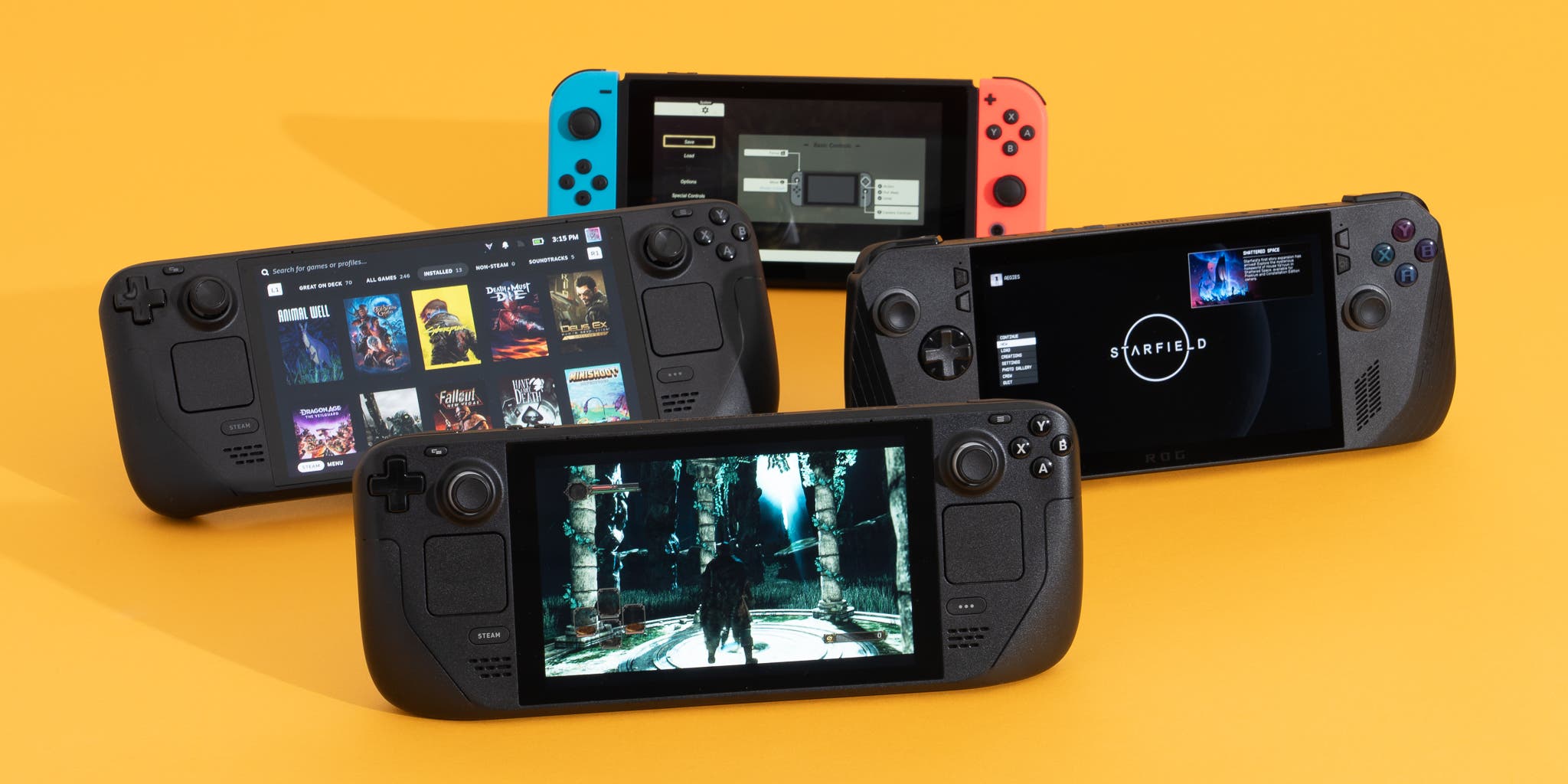
Gaming handheld 2026 choices that change the plan
Choosing a gaming handheld in 2026 comes down to three variables: raw performance, battery life, and form factor. The market has shifted from niche prototypes to refined consumer electronics, but the fundamental compromises remain. You still cannot have maximum power, all-day battery, and a compact size in a single device. Understanding where each machine excels helps you pick the right tool for your specific playstyle.
The Asus ROG Xbox Ally X dominates the performance category with its Zen 5 APU and large battery, making it the best overall handheld for demanding PC games. The Steam Deck OLED remains the king of efficiency and value, offering a compact, Linux-native experience that lasts all day. The Lenovo Legion Go stands apart with its dual screens and detachable controllers, prioritizing versatility over raw power or battery endurance.
| Device | Processor | Battery | Screen | Starting Price |
|---|---|---|---|---|
| Asus ROG Xbox Ally X | AMD Zen 5 | 80Wh (7.5h+) | 7" FHD 120Hz OLED | $999 |
| Steam Deck OLED | AMD Zen 2 | 40Wh (6-8h) | 7.4" QHD 90Hz OLED | $539 |
| Lenovo Legion Go | AMD Zen 4 | 49.2Wh (4-5h) | 8.8" QHD 144Hz | $999 |
The Ally X’s 80Wh battery is the standout feature here. It allows for 7.5 hours of gameplay in less demanding titles, a significant leap over previous generations. However, this bulk comes with weight. The Steam Deck OLED is lighter and more pocketable, but its smaller battery requires more frequent charging sessions during intensive AAA titles. The Legion Go’s battery is the weakest link, often struggling to last beyond four hours in high-performance modes.
Screen real estate also dictates your experience. The Legion Go’s 8.8-inch display is ideal for desktop-mode emulation or playing games that benefit from larger UI elements. The Steam Deck’s 7.4-inch QHD screen offers sharper text and clearer visuals than the Ally X’s FHD panel, though the Ally X’s OLED provides deeper blacks and better contrast. If you travel frequently, the Steam Deck’s compact form factor is hard to beat.
Where each option wins
Choosing the right handheld depends less on raw specs and more on how you plan to hold it. The Steam Deck OLED, ASUS ROG Ally X, and Lenovo Legion Go 2 each solve different problems. One prioritizes battery life and comfort, another maximizes power, and the third offers unique versatility.
Steam Deck OLED: The Comfort Choice
The Steam Deck OLED remains the best handheld for players who value battery life and comfort above all. Its efficient screen and optimized Linux-based SteamOS make it feel like a dedicated gaming device rather than a Windows PC. If you mostly play indie titles or older AAA games and want a system that lasts all day, this is the clear winner. It’s the choice for gamers who want to plug in and play without managing drivers or background processes.
ASUS ROG Ally X: The Performance King
The ASUS ROG Ally X is the best gaming handheld for serious PC gamers who demand high frame rates. Its powerful Ryzen Z1 Extreme chip and large 80Wh battery handle demanding titles like Cyberpunk 2077 much better than the competition. If you prioritize graphical fidelity and want to play the latest AAA releases at higher settings, the Ally X delivers the performance you need. It’s the choice for those who treat their handheld as a portable desktop replacement.
Lenovo Legion Go 2: The Versatile Pick
The Lenovo Legion Go 2 stands out for players who want a larger screen and unique control options. Its detachable controllers and tablet-style form factor offer a different kind of freedom, making it ideal for local multiplayer or gaming on a lap. If you prefer a bigger display and don’t mind the extra bulk, the Legion Go 2 provides a distinct experience. It’s the choice for gamers who want a hybrid device that feels more like a console than a handheld.


As an Amazon Associate, we may earn from qualifying purchases.
Details worth checking
Use this section to make the The Best Gaming Handhelds of decision easier to compare in real life, not just on paper. Start with the reader's actual constraint, then separate must-have requirements from details that are merely nice to have. A practical choice should survive normal use, maintenance, timing, and budget. If a recommendation only works in an ideal situation, call that out plainly and give the reader a fallback path.
-
Verify the basicsConfirm the core specs, condition, and fit before comparing extras.
-
Price the downsideLook for the repair, maintenance, or replacement cost that would change the decision.
-
Compare alternativesCheck at least two comparable options before treating one listing as the benchmark.
Gaming handheld 2026: what to check next
Choosing between the Steam Deck OLED, ASUS ROG Ally X, and Lenovo Legion Go 2 often comes down to whether you prioritize raw power, battery life, or ecosystem convenience. Here are the answers to the most common questions readers ask before buying.
No comments yet. Be the first to share your thoughts!