indie games 2026 budget
Finding affordable gems in 2026 means looking past the polished AAA storefronts. The best budget indie titles often trade high-fidelity graphics for tight mechanics and unique art styles, offering more hours of play per dollar. When scanning for deals, focus on games that have been out for a few months; prices typically drop 20-40% after the initial launch hype fades.
Consider the condition and platform carefully. Physical copies of limited-run indie titles can sometimes be found secondhand for less than digital sale prices, especially if you are willing to hunt through local stores or reputable marketplaces. Digital bundles on platforms like Humble Bundle or Fanatical often allow you to pick up three or four indie games for the price of one full-price AAA title.
Here are three standout indie games from 2026 that offer excellent value for budget-conscious players:


As an Amazon Associate, we may earn from qualifying purchases.
Keep an eye on seasonal sales, particularly during the Summer and Winter Steam Sales. Many of these smaller studios release their games during these windows to maximize visibility. If a title isn't on sale, check if it's included in any ongoing subscription services like Xbox Game Pass or EA Play, which can be a cost-effective way to test before you buy.
Best indie games of 2026: the strongest contenders
The 2026 indie landscape is crowded, making it hard to separate genuine gems from overhyped releases. We focused on the titles generating the most serious conversation among critics and players alike. These are the games that define the year’s independent scene so far.
Mina the Hollower leads the pack with its brutal platforming and dark humor, earning a spot in the Best Independent Game category at The Game Awards. Slay the Spire 2 raises the bar for deck-building roguelikes, expanding on a formula that has already stood the test of time. Big Walk offers a refreshing change of pace with its walking simulator mechanics and narrative depth.
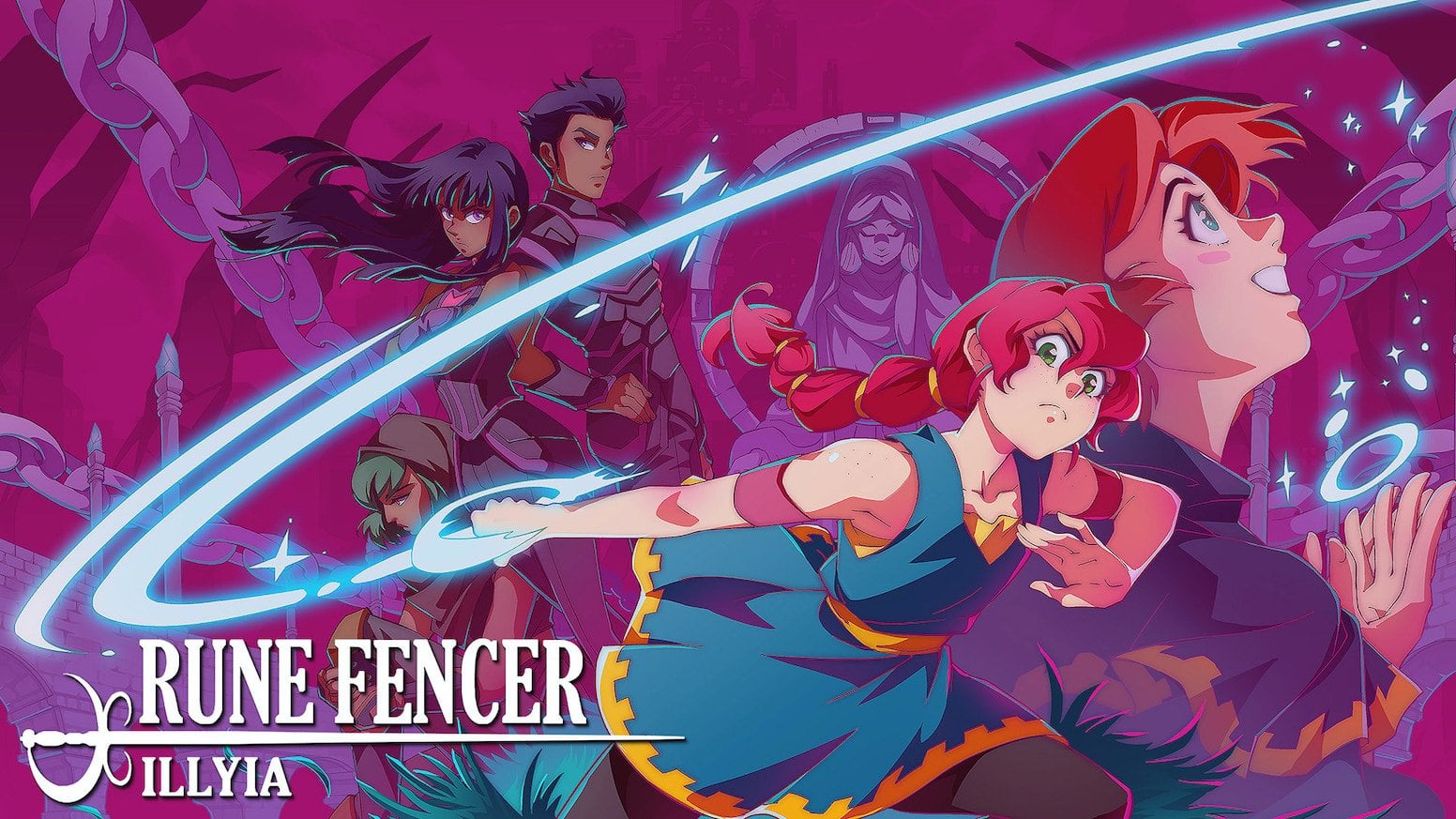
Mewgenics brings a unique twist to the genre with its cat-centric mechanics, appealing to players looking for something lighter yet mechanically rich. Rune Fencer Illyia and Divinum are also generating buzz as potential cult classics, though their full impact remains to be seen.
| Game | Genre | Key Strength | 2026 Status |
|---|---|---|---|
| Mina the Hollower | Platformer | Brutal difficulty, dark humor | Award contender |
| Slay the Spire 2 | Roguelike Deckbuilder | Refined mechanics, deep strategy | Released |
| Big Walk | Narrative Walking Sim | Story-driven, atmospheric | Released |
| Mewgenics | Simulation | Unique cat mechanics | Released |
| Rune Fencer Illyia | Action RPG | Cult classic potential | Upcoming |
| Divinum | Action RPG | Cult classic potential | Upcoming |
What to look for in 2026 indies
When choosing your next indie game, focus on what matters to you. If you want a challenge, Mina the Hollower is your best bet. For strategic depth, Slay the Spire 2 is unmatched. If you prefer a relaxing experience, Big Walk offers a compelling narrative without the stress.
The indie scene in 2026 is about diversity. Whether you are into platformers, deck-builders, or walking sims, there is something here for you. The key is to pick a game that matches your current mood and playstyle.


As an Amazon Associate, we may earn from qualifying purchases.
Final thoughts
The best indie games of 2026 are not just about graphics or marketing. They are about unique ideas and polished execution. Mina the Hollower and Slay the Spire 2 are leading the charge, but titles like Big Walk and Mewgenics offer excellent alternatives depending on your taste.
Keep an eye on upcoming releases like Rune Fencer Illyia and Divinum. They might just become the cult classics of the year. For now, these are the indie games you should be playing.
Inspect the expensive parts
Indie games from 2026 often push hardware limits with ambitious art styles and complex systems. Before committing your budget, check for the failure points that turn a hidden gem into a costly regret. This inspection focuses on performance stability, input responsiveness, and content completeness.
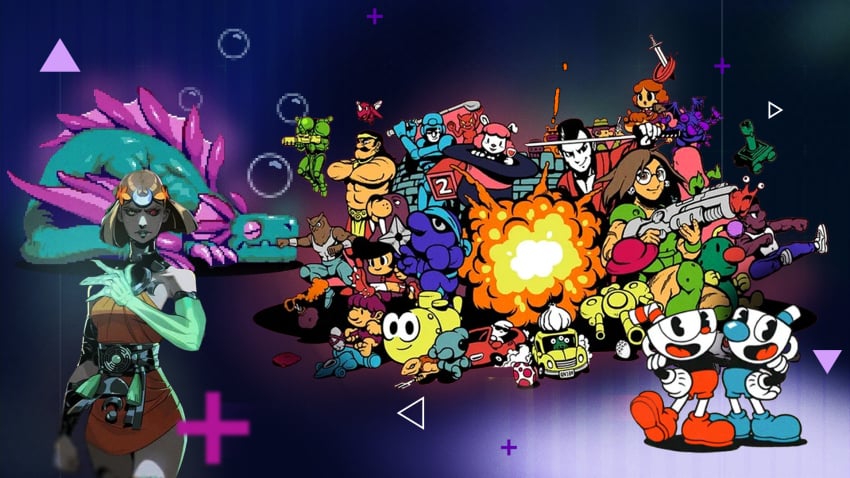
Stuttering breaks immersion faster than low graphics. Run the game for 15 minutes in demanding scenes. If frames drop below 30 fps consistently, the optimization is likely too expensive for your setup. Look for community reports on specific GPU models to see if the issue is widespread or isolated.
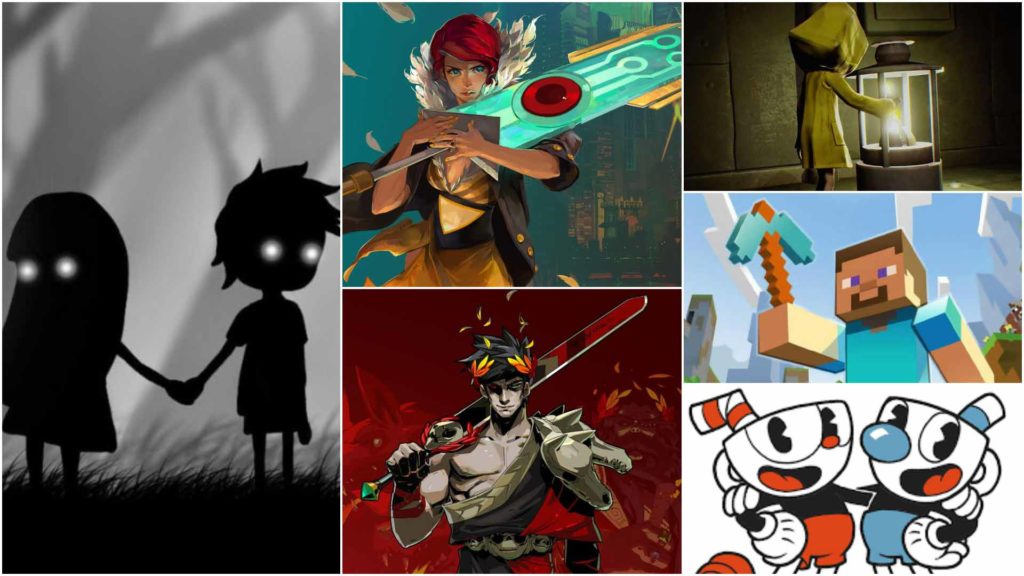
Many indie titles suffer from "input lag" or poor controller support. Test the response time in fast-paced sections. Ensure all critical actions are remappable. If the game feels sluggish or unresponsive, it may be a fundamental engine issue that patches rarely fix completely.
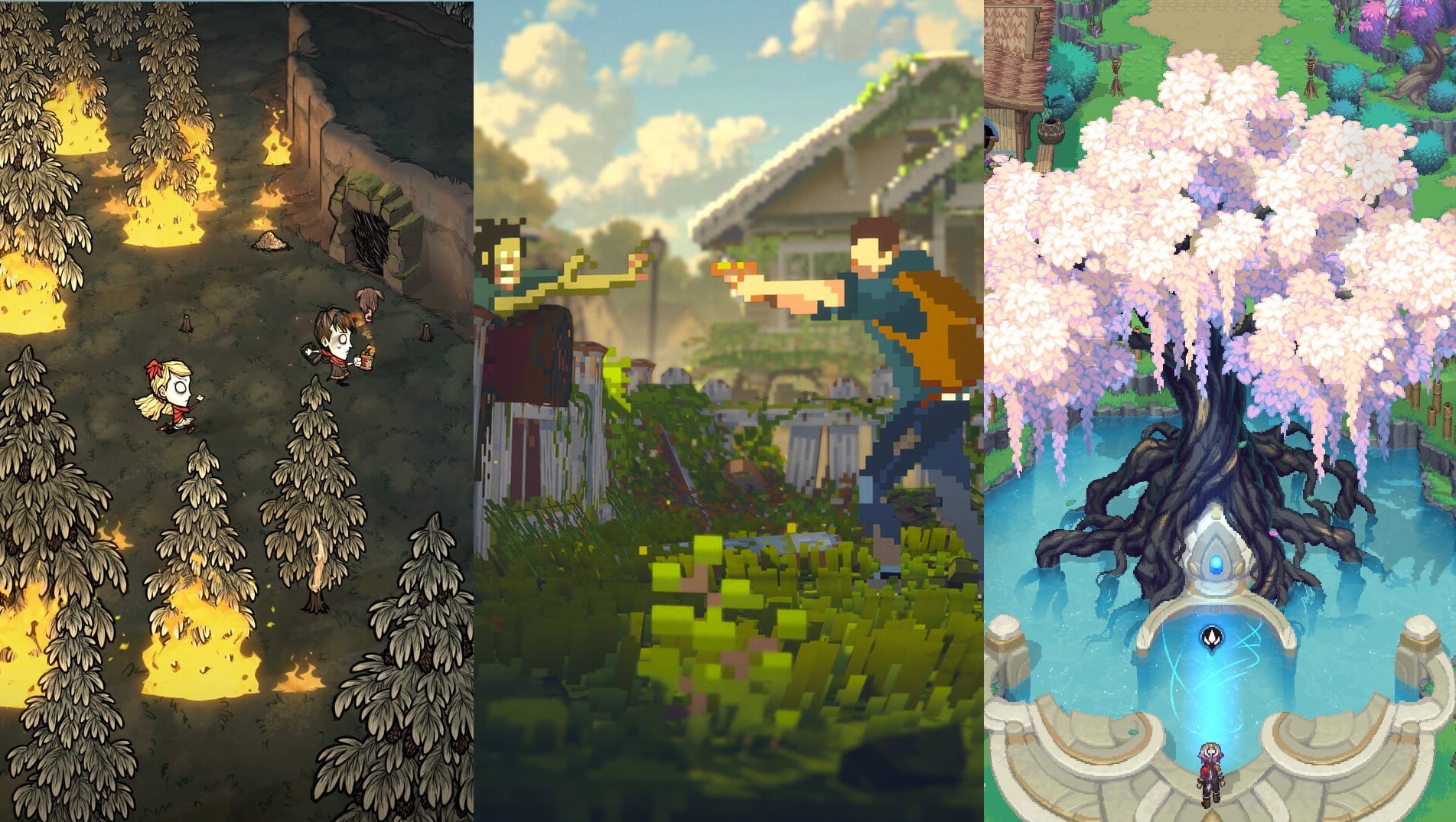
Early access labels often hide unfinished content. Check the roadmap for promised features. Test save functionality after 2-3 hours of play. Corrupted saves or missing narrative branches are common in rushed indie releases. Read recent user reviews for specific bug reports rather than relying on the developer's trailer.


As an Amazon Associate, we may earn from qualifying purchases.
By focusing on these practical checks, you avoid the most common pitfalls of indie development. Prioritize stability and responsiveness over visual flair to ensure your investment pays off in long-term enjoyment.
Plan for Ownership Costs
Buying an indie game is rarely a one-time transaction. The initial price tag is just the entry fee; the real cost comes from the time and resources required to actually enjoy the experience. When evaluating "hidden gems," you need to look past the storefront screenshot and consider what it takes to keep the game running smoothly.
Hardware compatibility is the first hidden expense. Many 2026 indie titles, particularly those pushing visual boundaries with ray tracing or high-fidelity textures, demand more from your GPU than their small file sizes suggest. A game that runs perfectly on a high-end PC might stutter on older hardware, effectively rendering a $20 purchase unplayable. Check the minimum specs against your current setup before clicking buy. If you're on console, ensure your system is updated to support the latest patches, as some indie developers rely on recent hardware features for stability.
Beyond hardware, consider the time investment. Indie games often lack the hand-holding of AAA titles, requiring you to learn complex mechanics or navigate dense lore without clear guidance. This "learning tax" means you might spend hours just understanding how to play, not enjoying the story. If you only have an hour a week, a dense metroidvania or a complex strategy sim might feel like a chore rather than a treat. Factor in your available leisure time to determine if the game offers enough replay value to justify the hours it will consume.
Finally, watch for post-launch costs. While rare in pure indie titles, some games offer cosmetic microtransactions, DLC expansions, or early access upgrades. These can quickly inflate a budget purchase. Stick to games with clear, upfront pricing models to avoid surprise charges. If a game feels like it needs constant attention or additional purchases to be complete, it’s likely not worth the hassle.


As an Amazon Associate, we may earn from qualifying purchases.
Indie games 2026: what to check next
Finding the right hidden gem in a crowded year can feel like searching for a needle in a stack of game discs. Before you commit your time or wallet, here are the most common practical questions about the indie titles shaping 2026.
No comments yet. Be the first to share your thoughts!